How QR Menus Are Transforming Restaurants


Printed menus are expensive to update, impossible to translate on the fly, and wear out quickly. QR codes are standardized under ISO/IEC 18004ISO/IEC 18004https://www.iso.org/standard/62021.html, ensuring universal compatibility across all scanning devices. The Saudi Food & Drug Authority (SFDA)Saudi Food & Drug Authority (SFDA)https://www.sfda.gov.sa/en and similar Gulf regulatory bodies actively encourage digital menu adoption for food safety labeling compliance. QR menus solve all three problems.
"Restaurants that adopted QR menus reported an average 15-25% reduction in menu-related errors and significant savings on annual printing costs, with some operations eliminating print menus entirely within 12 months.", hospitality technology adoption studies
Why Restaurants Switch to QR
| Problem | Printed Menu | QR Menu |
|---|---|---|
| Price change | Reprint everything | Update in seconds |
| Seasonal items | Wait for next print run | Add/remove instantly |
| Multiple languages | Separate menus per language | Auto-detect browser language |
| Cost per update | $50-200 | $0 |
| Dietary labels | Static, often missing | Filterable: halal, vegan, gluten-free |
Setup Steps
- Build your menu, add categories, items, photos, prices, dietary labels
- Set languages, Arabic, English, French, or any of 45+ supported languages
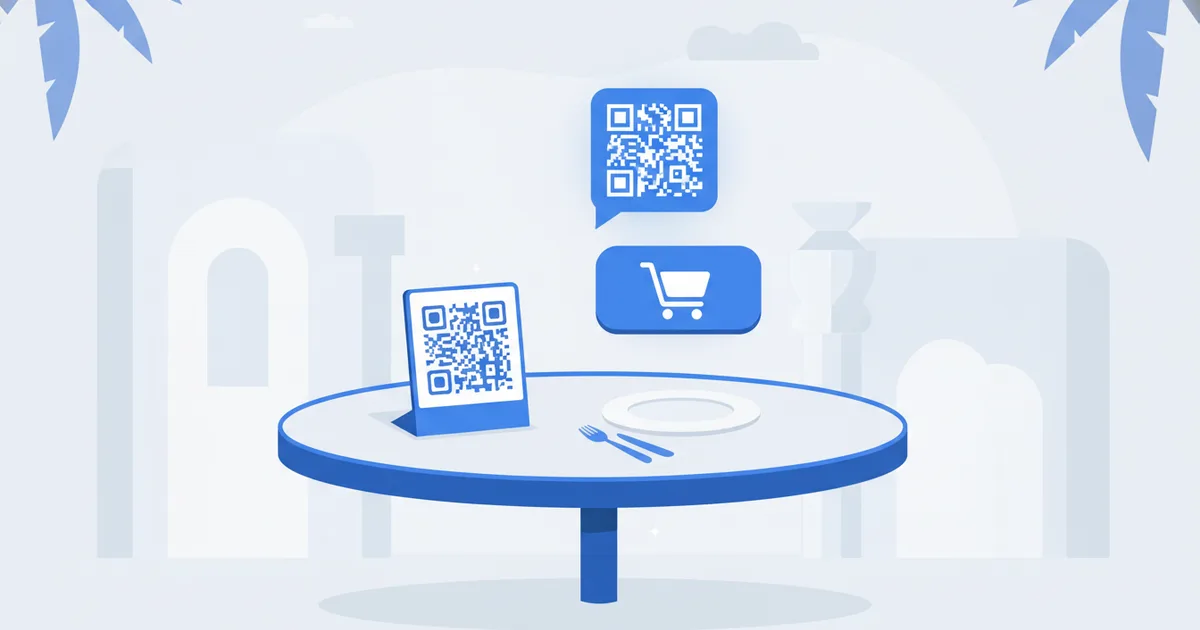
- Print QR codes, download and place on table tents, stickers, or wall signs
- Update anytime, changes reflect in real-time, no reprinting
Use Cases
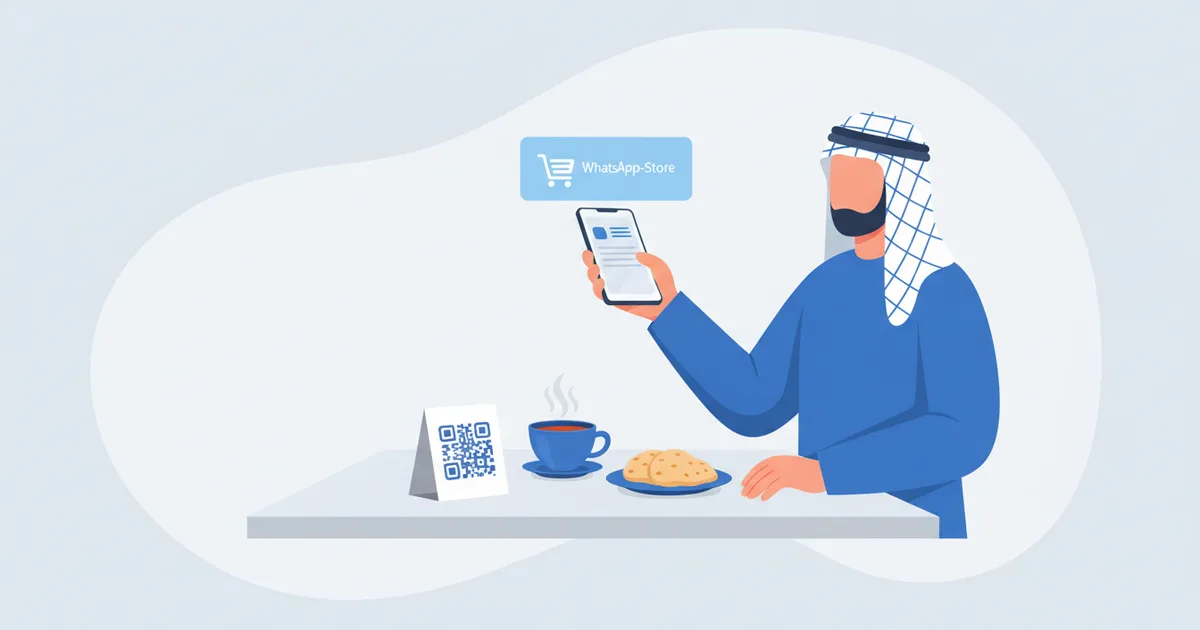
Restaurants, full menu with photos, daily specials updated without reprinting.
Cafés, seasonal drinks, loyalty perks, dietary filters.
Hotels, room service, spa menu, concierge services via QR.
Food trucks, change menu based on location and availability.
FAQ
Can I update prices instantly? Yes. Changes reflect in real-time.
Dietary labels? Yes, vegetarian, vegan, gluten-free, halal, and custom labels.
Multiple languages? Yes. 45+ languages with automatic RTL for Arabic.