Digital Cards for Insurance Agents in Egypt


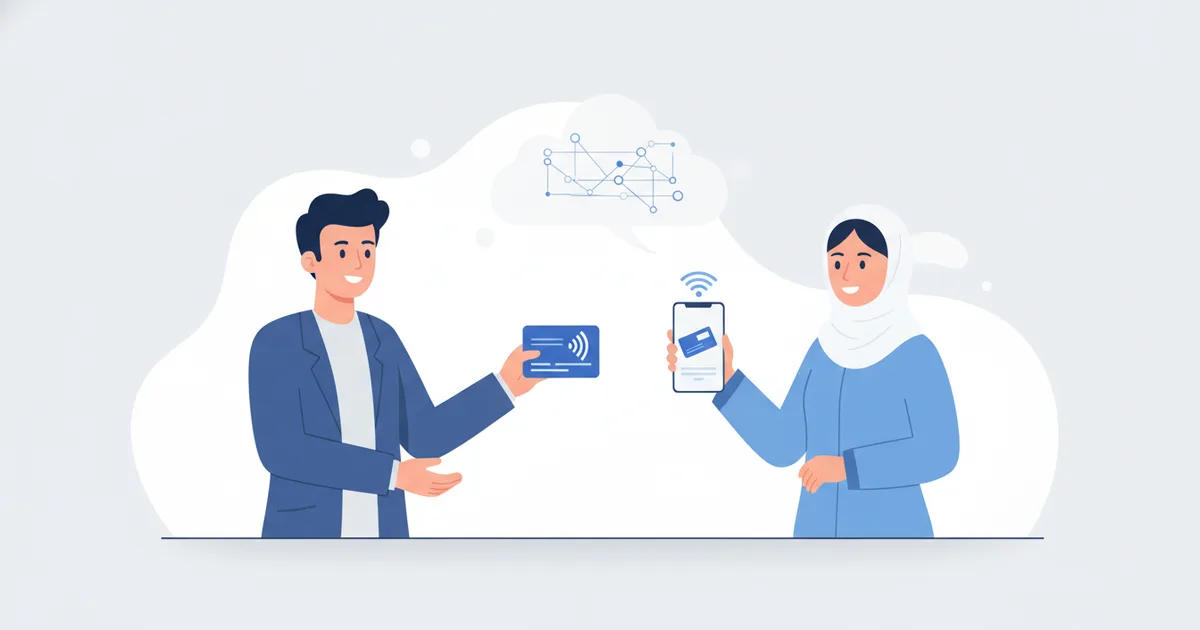
An insurance agent in Egypt wins clients online by solving the trust problem before the first conversation happens. Egyptians do not doubt that accidents and illnesses happen; they doubt that the payout will. So the agent who can show, in one screen, a real name and photo, a registration with the Financial Regulatory Authority (FRA), the companies he represents, and testimonials from clients whose claims were actually paid starts every conversation three steps ahead of a phone number on a paper card. A digital business card puts all of that proof behind one link you can send on WhatsApp, print as a QR code, and attach to every quotation. This guide covers what belongs on the card, a 15 minute setup walkthrough, and how one satisfied policyholder becomes three referred prospects.
A Market Growing Faster Than Its Agents' Marketing
Egypt's insurance sector is compounding. Total premiums rose 34.1 percent in 2024 to reach EGP 82.3 billion, according to FRA figures reported by Daily News Egypt, driven by mandatory motor cover, expanding medical insurance, and new savings products. The buyer changed at the same time: Egypt counted 96.3 million internet users in January 2025, or 81.9 percent of the population, per DataReportal, and the professional in Nasr City or New Cairo who needs a policy now searches and compares before agreeing to meet anyone. Yet most agents still market themselves with a paper card and a phone number. That gap between a fast growing market and outdated presentation is the whole opportunity for the agent who moves first.
In Egyptian insurance, the agent who proves he is licensed, backed, and reachable in one screen wins the client before any competitor calls back.
Why Trust Decides Every Policy
Insurance is a promise, and many Egyptians have heard broken promises before. That skepticism is not a marketing obstacle to talk around; it is the buying criterion itself. Every element of your online presence either answers it or feeds it. An anonymous WhatsApp number feeds it. A profile that shows your face, your license, your company affiliations, and named clients describing paid claims answers it. Price matters in the Egyptian market, but a client only compares prices between agents he already trusts enough to call.
What Belongs on an Insurance Agent's Card
Build the card as a trust checklist, top to bottom:
- Identity: your full name, a professional photo, and the city and districts you serve.
- FRA registration: your registration number and year. This is the first thing a serious client should be able to verify.
- Company affiliations: the insurers whose products you actually sell, listed plainly.
- Product lines in plain Arabic: motor, medical, life, property, and SME cover, each explained in two sentences a non-specialist understands, not policy jargon.
- Claim stories as testimonials: "my car was hit in October and the compensation was paid in 12 days" beats any slogan. Ask permission and use first names only.
- A WhatsApp button and a quote request flow: the client taps, the conversation opens, and you answer while the interest is hot.
Add an English version if you serve multinational employees in Maadi or New Cairo; it doubles your addressable market at zero extra cost.
Set Up Your Agent Card in 15 Minutes
- Create a free account at Scaanme and pick a clean professional layout.
- Add your identity block: name, photo, districts, and languages.
- Add your FRA registration number and year to the credentials section.
- List your products with plain language summaries and a request a quote WhatsApp button on each.
- Add three client testimonials focused on claims and service speed.
- Print the QR code for your notebook and car, and put the link in your WhatsApp status, Facebook profile, and email signature.
A free plan is available and paid plans start from $7.99 per month; the pricing page shows which tiers add analytics and lead tools. Track which products get opened most and lead with them in your next campaign.
WhatsApp: Where the Policy Conversation Actually Starts
Almost nobody in Egypt buys a policy from a cold call. The realistic funnel looks like this: a prospect sees your card in a WhatsApp group or gets it forwarded from a friend, reads it silently, then sends one hesitant question: does medical insurance cover my mother who is 62? That first question is the sale. Answer it fast, specifically, and honestly, and follow with a short voice note if the topic is complex. Agents who use the card's CRM tools tag each conversation by product interest, so the follow-up two weeks later mentions the right policy instead of a generic pitch.
Turn Every Paid Claim Into Referrals
The moment a claim is paid is the peak of client satisfaction, and most agents waste it. Send a short message the same week: congratulations on the settlement, and here is my card if any family member or colleague needs cover. A card link forwards through family WhatsApp groups in a way no paper card ever did. This playbook works across professional services; our guide to digital cards for lawyers in Egypt shows the same trust mechanics applied to legal clients.
FAQ
Is it legal to show my FRA registration number on the card?
Displaying your registration is standard professional disclosure, and serious clients expect it; it is exactly how they verify you are licensed. For rules on advertising specific products or prices, follow FRA directives and your insurer's compliance guidance.
How do I share my card in a client meeting?
Three ways: the client scans the QR code from your phone screen, you send the link in WhatsApp during the meeting, or the client taps an NFC card you already own. Scaanme links customer-owned NFC cards for free and sells no hardware.
Can clients request a quote directly from the card?
Yes. The client sends a quote request through the WhatsApp button with the product already named, and you reply with the quotation in the same chat. The card starts the conversation; you close it.
How much does a digital card cost for an insurance agent in Egypt?
A free plan is available and covers the profile, credentials, and WhatsApp button. Paid plans start from $7.99 per month and add analytics, lead capture, and CRM tags. Details are on the pricing page.