How Jordan Doctors Win Medical Tourism Patients


Doctors in Jordan attract international patients by being findable, verifiable, and bookable from a phone abroad. A family in Baghdad or Tripoli chooses the doctor whose credentials they can read, whose reviews they can check, and whose appointment they can book over WhatsApp before buying a plane ticket. A digital business card puts all of that behind one link or QR code. This guide shows how Jordanian doctors turn that link into a steady stream of medical tourism patients.
Jordan Medical Tourism by the Numbers
The Private Hospitals Association places Jordan among the leading medical destinations in the region. The sector drew around 230,000 foreign patients in 2025 and generated nearly $1 billion in revenue, up 4% year on year, according to the association's president. Patients arrive from Iraq, Libya, Sudan, Yemen, and the Gulf seeking high-quality treatment at competitive cost in Amman's hospitals and specialty clinics.
Those numbers mean one thing for an individual doctor: the demand exists, and the competition for it is intense.
The Patient Journey Starts on a Phone Screen
When a patient family arrives from Baghdad or Tripoli, they usually carry recommendations for three or four doctors. Before anyone books, someone in the family searches every name. The doctor who stands out is the one whose profile answers the family's questions instantly: where did this doctor train, what do previous patients say, and how do we reach the clinic right now?
The doctor who can be found, verified, and booked from a phone in Baghdad wins the patient before the plane ticket is bought.
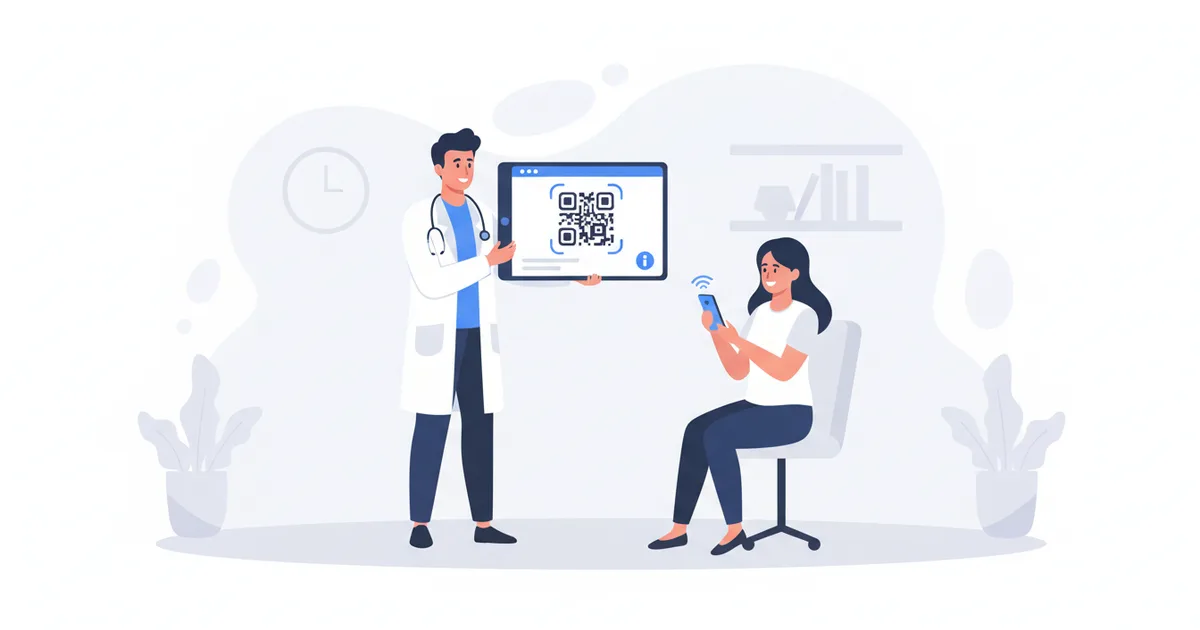
A paper card handed through a hospital concierge cannot compete with a QR code on a waiting room screen that opens a full profile with credentials, reviews, and an instant booking form.
What a Digital Profile Adds for a Jordanian Doctor
Qualifications and specializations, clearly displayed. International patients want to know where you graduated, where you trained, and how many years of experience you have before committing to travel.
Reviews from previous international patients. Nothing builds trust like reading the experience of a patient from the same country who already made the trip to Amman.
One-tap WhatsApp. Families want to ask questions before traveling. A direct WhatsApp button removes the barrier and gives them confidence that the clinic is responsive.
An online booking calendar. Available consultation slots that patients book directly through the booking system, with no phone tag across time zones and no intermediaries taking a cut.
Arabic and English in one profile. Serve Arab and international patients from a single link that switches language instantly.
Amman's Medical Clusters
King Hussein Medical City, Jordan Hospital, Al-Khalidi Medical Center, and the specialist district in Shmeisani are the hubs of medical tourism referrals. Doctors in these facilities place QR codes at reception desks and on clinic signage so every visitor, and every visitor's relative abroad, gets instant access to full credentials and available consultation times. ScaanMe links a doctor's own NFC card for free as well; it sells no hardware.
The Competition Is Not Only Inside Jordan
Iraqi and Sudanese patients searching for the best cardiologist in Amman or cancer treatment in Jordan find hundreds of names, and they compare Jordan against Turkey and India in the same evening. A professional digital profile with verified credentials, reviews, and a working WhatsApp button is the difference between being shortlisted and being scrolled past.
How a Jordanian Doctor Gets Started
- Create a ScaanMe account: free plan available, paid plans from $7.99/month.
- Add your degrees, specializations, and clinic photos.
- Activate the booking calendar connected to your schedule.
- Print the QR code on clinic signage and share the link with hospital coordinators.
- Ask every international patient to leave a review after their visit.
FAQ
How do international patients book Jordanian doctors on WhatsApp?
The doctor's digital profile shows a WhatsApp button and a booking calendar. The patient picks a slot or sends a message, and the clinic confirms in the same conversation. No international calls and no time zone confusion.
How much does treatment in Jordan cost versus Europe?
Costs vary by procedure and hospital, but Jordan is known for competitive treatment costs versus Europe and the US with high quality, which draws hundreds of thousands of patients yearly according to the Private Hospitals Association. Ask the clinic on WhatsApp for an accurate estimate for your case.
How do I book an appointment with a doctor in Amman from abroad?
Open the doctor's digital profile from any link or QR code you received, pick a slot in the booking calendar or tap the WhatsApp button. Confirmation arrives in the same conversation before you book a flight.
Does a digital profile replace the hospital's marketing?
No. It complements it. Hospitals promote the facility; the digital profile sells the individual doctor's credibility, which is what patient families actually compare.