البطاقات الرقمية مقابل الورقية: تحليل التكلفة الكامل


أيهما أرخص: البطاقة الرقمية أم الورقية؟ على مدى خمس سنوات ينفق المهني المستقل ما بين 825 و1,650 دولاراً على البطاقات الورقية بعد حساب التصميم والطباعة وإعادة الطباعة، مقابل نحو 495 دولاراً لـبطاقة عمل رقمية على خطة مدفوعة تبدأ من 7.99 دولار شهرياً مع شريحة NFC تشتريها مرة واحدة بنفسك. والفارق يتسع مع الفرق. الجداول التالية تعرض الحسبة كاملة بالدولار، مع مرجعية بالعملة المحلية للأردن ومصر، لأن القرار يُتخذ هناك فعلاً.
السياق الذي يجعل المقارنة محسومة: عملاؤك يعيشون على هواتفهم أصلاً. يضع تقرير GSMA لاقتصاد الجوال 2025 الهواتف الذكية عند 80% من اتصالات الجوال عالمياً في 2024 وفي طريقها إلى 91% بحلول 2030، ويحصي تقرير DataReportal الرقمي 2025 نحو 5.56 مليار شخص متصل بالإنترنت أي 67.9% من البشر. كل واحد منهم يستطيع فتح بطاقتك، ولا أحد منهم يستطيع استرجاع البطاقة الورقية الضائعة.
مهني فردي: تكلفة 5 سنوات
| البند | بطاقات ورقية | بطاقة ScaanMe الرقمية |
|---|---|---|
| التصميم الأولي | $50-100 | $0 (قوالب جاهزة) |
| أول طباعة (500) | $75-150 | $0 |
| إعادة طباعة سنوياً (تغييران) | $150-300 | $0 |
| شريحة NFC (مرة واحدة، ملكك وتُربط مجاناً) | لا ينطبق | $5-15 |
| الاشتراك | $0 | من $7.99 شهرياً |
| إجمالي 5 سنوات | $825-1,650 | نحو $495 |
كيف تبدو الأرقام بالعملة المحلية
- عمّان: طبعة 500 بطاقة بجودة جيدة تكلف عادة 25 إلى 45 ديناراً، ومعظم المهنيين يعيدون الطباعة مرة في السنة على الأقل بعد تغيير المسمى أو الرقم. الاشتراك الرقمي يعادل تقريباً ثمن فنجاني قهوة شهرياً.
- القاهرة: أسعار الطباعة تتبع الورق والحبر المستوردين، فكل عرض سعر جديد يرتفع مع سعر الصرف. سعر البطاقة الرقمية لا يتغير عندما يتغير سعر الورق.
- في الحالتين، إنفاق الورق يتكرر إلى الأبد، بينما الإنفاق الرقمي اشتراك ثابت واحد مع خطة مجانية متاحة. راجع الأرقام الدقيقة في صفحة الأسعار.
فريق من 10: تكلفة 5 سنوات
| البند | ورقية | ScaanMe (عشرة مستخدمين) |
|---|---|---|
| التصميم (لكل شخص) | $500-1,000 | $0 |
| الطباعة (لكل شخص سنوياً) | $1,500-3,000 | $0 |
| إعادة طباعة بسبب تبدل الموظفين | $300-600 سنوياً | $0 |
| شرائح NFC (مرة واحدة، ملككم) | لا ينطبق | $50-150 |
| الاشتراك (عشرة مستخدمين) | $0 | من $79.90 شهرياً |
| إجمالي 5 سنوات | $10,000-20,000 | نحو $4,950 |
كل تغيير في الفريق يجعل الورق أسوأ: الموظف الجديد يعني طبعة جديدة، والمغادر يعني صندوق بطاقات في سلة إعادة التدوير.
التكاليف الخفية للورقي
- تكلفة الوقت: 15 إلى 30 دقيقة لكل طلب إعادة طباعة، فوق جولات المراجعة
- تأخير الشحن: 5 إلى 10 أيام عمل لكل طلب
- بطاقات قديمة متداولة: لا طريقة لاسترجاع الرقم القديم
- التكلفة البيئية: ورق وحبر وتغليف وشحن
- علاقات ضائعة: معظم البطاقات الموزعة تُرمى أو تضيع، ولا تعرف أبداً أيها
المزايا الخفية للرقمي
- تحديث فوري: غيّر المسمى أو الهاتف أو الشركة خلال ثوانٍ
- تحليلات: اعرف كم شخصاً شاهد بطاقتك وحفظها ومتى؛ المسوقون العقاريون يلمسون هذا أكثر من غيرهم كما يوضح دليل NFC للعقارات
- محدثة دائماً: لا معلومات قديمة تتداول باسمك
- صديقة للبيئة: صفر هدر وصفر إعادة طباعة، فـأنظف بطاقة هي ألا تطبع بطاقة أصلاً
- لغتان: عربي وإنجليزي في بطاقة واحدة دون طبعة ثانية
الورق تكلفة متكررة تنتهي في سلة المهملات؛ البطاقة الرقمية تكلفة ثابتة تنتهي بجهة اتصال محفوظة.
الأسئلة الشائعة
كم تكلف البطاقة الرقمية في السنة؟
الخطة المجانية تغطي بطاقة شخصية كاملة بصفر دولار. الخطط المدفوعة تبدأ من 7.99 دولار شهرياً أي نحو 96 دولاراً سنوياً، وهذا أقل من طبعة واحدة جيدة مع إعادة طباعة واحدة في معظم الأسواق.
هل الخطة المجانية تكفي لشخص واحد؟
لبطاقة عاملة ببياناتك وروابطك ومشاركة QR، نعم. الخطط المدفوعة تضيف التحليلات والمزايا المتقدمة والتخصيص عند الحاجة.
هل يجب أن أشتري بطاقة NFC للتحول الرقمي؟
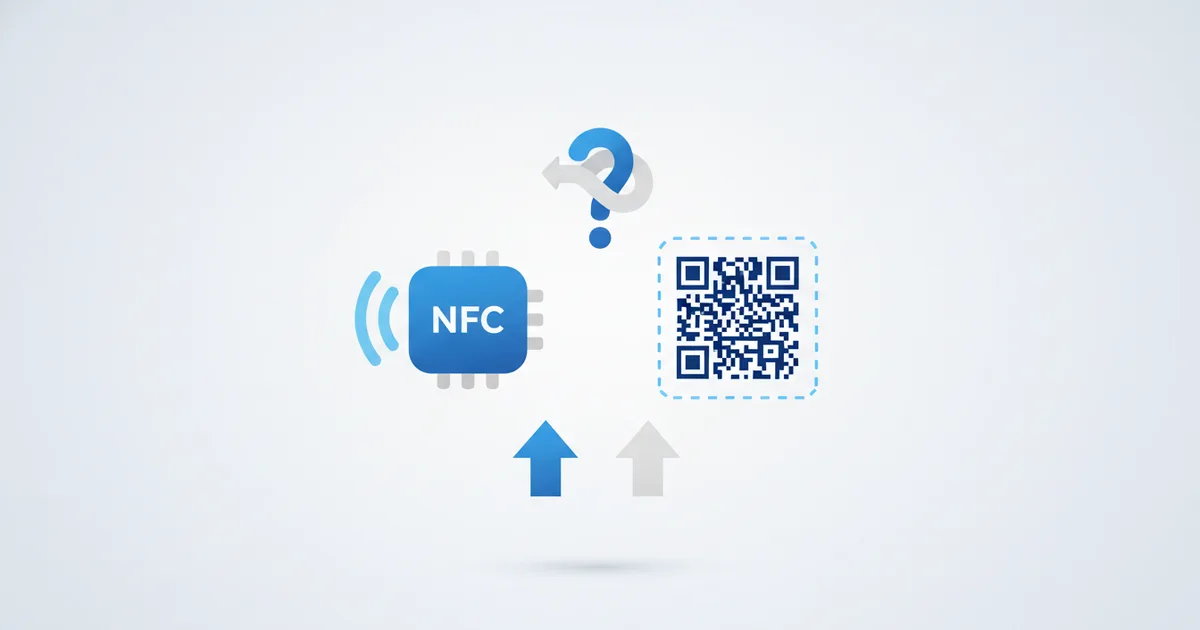
لا. رمز QR والرابط يعملان وحدهما. وإذا أردت المشاركة باللمس تشتري أي شريحة NFC فارغة بدولارات قليلة وScaanMe يربطها مجاناً؛ هو لا يبيع أي أجهزة.
ماذا عن المبلغ الذي أنفقته على البطاقات الورقية؟
استخدمها حتى تنفد بينما تعمل البطاقة الرقمية بالتوازي: اطبع رمز QR على المخزون المتبقي أو احتفظ بها للمناسبات الرسمية. لا شيء يفرض تحولاً حاداً من اليوم الأول، فالبطاقتان تعملان معاً حتى ينتهي الورق طبيعياً.