Start an Online Business in Egypt for Free (2026)


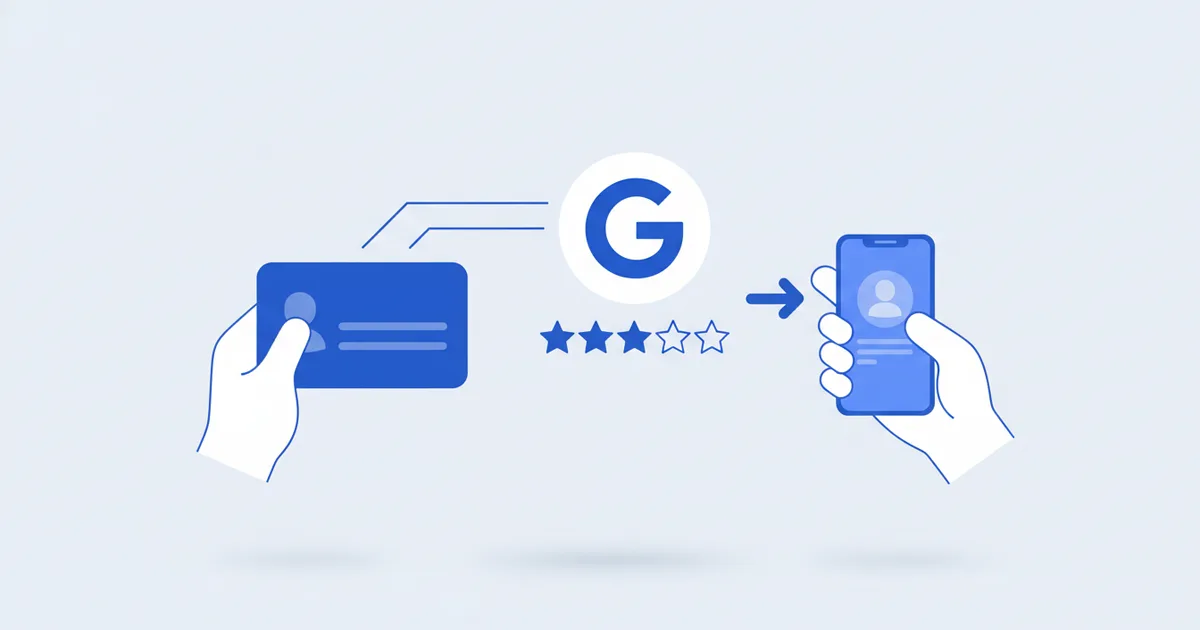
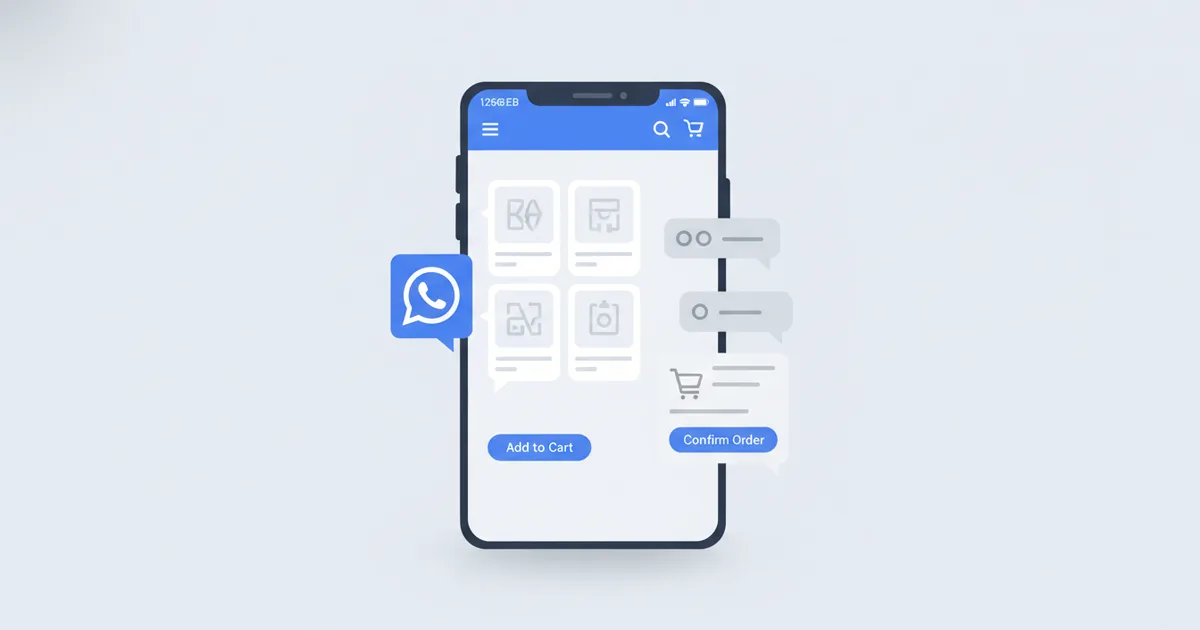
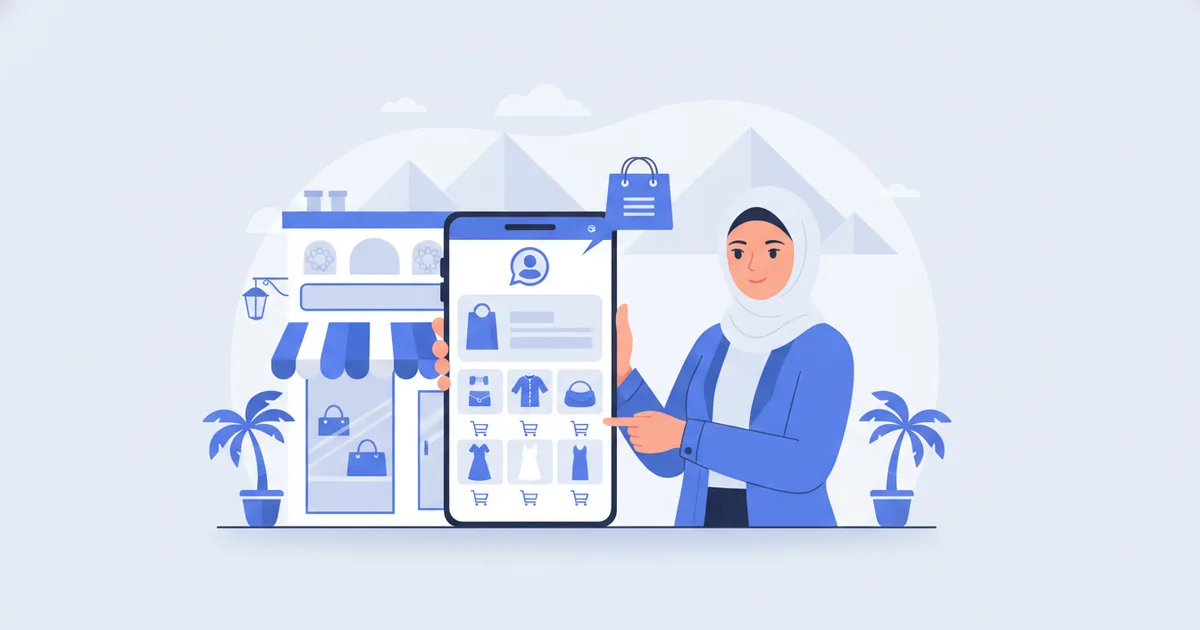
You can start an online business in Egypt with almost no money because the three expensive parts of launching, meaning the storefront, the ordering system, and the marketing channel, all have free digital versions. A free digital business card is your storefront: it lists your products with prices and a WhatsApp order button, so a customer taps and orders inside the app they already use every day. When you outgrow that, the full WhatsApp Store, a browsable catalog with categories and structured orders, is a paid upgrade from $9.99 per month. Your WhatsApp status plus neighborhood Facebook groups are the marketing. What you actually invest is time, honest product photos, and consistency. This guide gives you the cost math in EGP, a seven step launch plan you can execute in one week, and straight answers to the licensing and payment questions everyone asks and few articles answer.
The Cost Math: Website vs Free Digital Profile
Egypt's economics push new businesses toward lean models: currency swings and inflation punish every fixed cost you sign up for. Compare the two paths for a small seller:
| Item | Traditional website | Free digital profile |
|---|---|---|
| Design and build | 15,000 to 50,000 EGP in typical agency quotes | 0 EGP |
| Hosting and domain | recurring yearly fees | 0 EGP |
| Changing a price | developer or agency ticket | edit from your phone in seconds |
| Taking an order | payment gateway integration | prefilled WhatsApp order message |
A website is not useless; for a new micro business it is premature. Small enterprises are the backbone of Egypt's economy: MSMEs represent about 90 percent of private sector activity and contribute 43 percent of GDP, according to Egypt's MSME Development Agency, and the vast majority of them run on direct relationships, not on website traffic. Start where your customers already are, and buy a website later when a specific need appears: a wholesale catalog, SEO content, or investor presence.
In Egypt, the cheapest storefront is the phone your customer is already holding.
The 7 Step Launch Plan
- Pick one product family and refuse to expand for 60 days. A seller of ten related items looks professional; a seller of forty random items looks like a flea market.
- Photograph your products in daylight against a clean background. Real photos taken on your phone outsell borrowed stock images every single time.
- Create a free account at Scaanme and build your profile: who you are, what you sell, where you deliver.
- Write the profile in natural Arabic first, and add English only if your market needs it. Clear beats fancy.
- Set prices and delivery zones in writing on the profile, so you stop retyping the same answers forty times a day.
- Share the link where Egyptians actually buy: your WhatsApp status, family and neighborhood groups, and local Facebook groups. One genuine post beats ten spammy ones.
- Treat your first ten orders as marketing spend: pack them carefully, deliver on time, then ask each buyer for a short written testimonial you can publish on the profile.
Repeat step six weekly. Consistency, not luck, is what makes the link travel.
Where Your Customers Already Are
Egypt counted 96.3 million internet users in January 2025, equal to 81.9 percent of the population, according to DataReportal, and daily life runs on WhatsApp: family logistics, work groups, buying and selling. An online business built on a WhatsApp order flow is not asking customers to learn anything new. That is exactly why chat commerce converts in Egypt while standalone shop apps struggle for downloads.
Businesses That Fit This Model
Home food projects selling koshary trays, cakes, or freezer meals through order messages. Private tutors publishing subjects, rates, and session booking. Event photographers with a portfolio and a deposit policy. Makeup artists taking bookings from Instagram. Small resellers of clothes, accessories, or phone covers. If your project is food, read our restaurant playbook on WhatsApp ordering for restaurants in Egypt; the commission math there explains why direct orders matter even more once volume grows. And when you want the full picture of looking professional online, our guide to digital identity for small businesses in Egypt covers the four elements in depth.
Example: A Home Kitchen Run From One Phone
Picture a home cook in Shubra selling weekly meal boxes. Her profile shows this week's menu with photos and prices, a WhatsApp button, and a note that orders close Thursday noon. Customers tap the dishes, the prefilled order message reaches her number, and she replies with delivery time and payment method: cash on delivery or an instant transfer app, whichever the customer prefers. Total setup cost: zero. Total tools: the phone she already owns. The difference between this and posting photos in a group chat is that the profile looks like a business, keeps a permanent menu, and collects testimonials that make strangers comfortable ordering. When a regular saves the profile as an Apple and Google Wallet pass, it sits one swipe from her lock screen, and a single lock-screen Holder Broadcast can tell every saved customer the moment next week's menu is up, so repeat orders do not depend on them remembering to check.
When to Upgrade
Stay free until the free plan feels tight. A free plan is available and paid plans start from $7.99 per month; the pricing page lists what each tier adds, such as analytics that show which products get opened most and which sharing channel actually brings orders. Upgrade when one recovered sale per month covers the subscription, and not before.
FAQ
Do I need a website to sell online in Egypt?
No. For a micro business, a profile link with products, prices, and a WhatsApp order button covers what a website would do, at zero cost and with no developer. Revisit the question when you need wholesale catalogs or SEO content.
Can I sell on WhatsApp without a commercial register?
Many Egyptian home projects start informally and formalize as they grow, and registration brings real benefits: bank accounts, supplier contracts, and access to MSME financing programs. Requirements change, so verify the current rules for your activity with the authorities or an accountant. This is general information, not legal advice.
What is the difference between a WhatsApp store and a website?
A website is a destination you must drive traffic to, with hosting and maintenance. A WhatsApp store is a link that travels inside chats and turns a conversation into an itemized order message. For direct-relationship selling, the store wins on cost and conversion.
How much does it cost to start?
Nothing to start: a free plan is available and covers the profile, product list, and a WhatsApp order button. Paid plans start from $7.99 per month when you need analytics and more, and the full WhatsApp Store starts at $9.99 per month. Details are on the pricing page.