10 Industries That Switched to Digital Cards


Not every industry adopted digital business cards at the same pace or for the same reasons. Some switched for cost. Others for analytics. Some because clients expected it. Others because the paper card simply could not do the job anymore. One pattern explains the urgency across all of them: a printed card is frozen the moment it leaves the press, so it is out of date as soon as a role, number, or brand changes, and going card-free removes that waste entirely, which is also better for the environment.
Here are ten industries where the transition has proven irreversible, and what each one switched for.
1. Real Estate
Agents were early adopters because their pain was acute: inventory changes constantly. A paper card points to a phone number; a digital business card links to current listings, virtual tours, and a viewing calendar.
Key shift: from "I'll send you a brochure" to "tap this and you'll see everything, including available viewing slots."
2. Healthcare
Doctors and clinics across Jordan, Kuwait, and the UAE adopted digital cards when paper cards became booking bottlenecks. A patient holding a paper card must call during working hours; a patient holding a digital card books a follow-up at midnight through the booking system.
Key shift: after-hours booking captures the appointments that office hours miss.
3. Hospitality (Hotels and Restaurants)
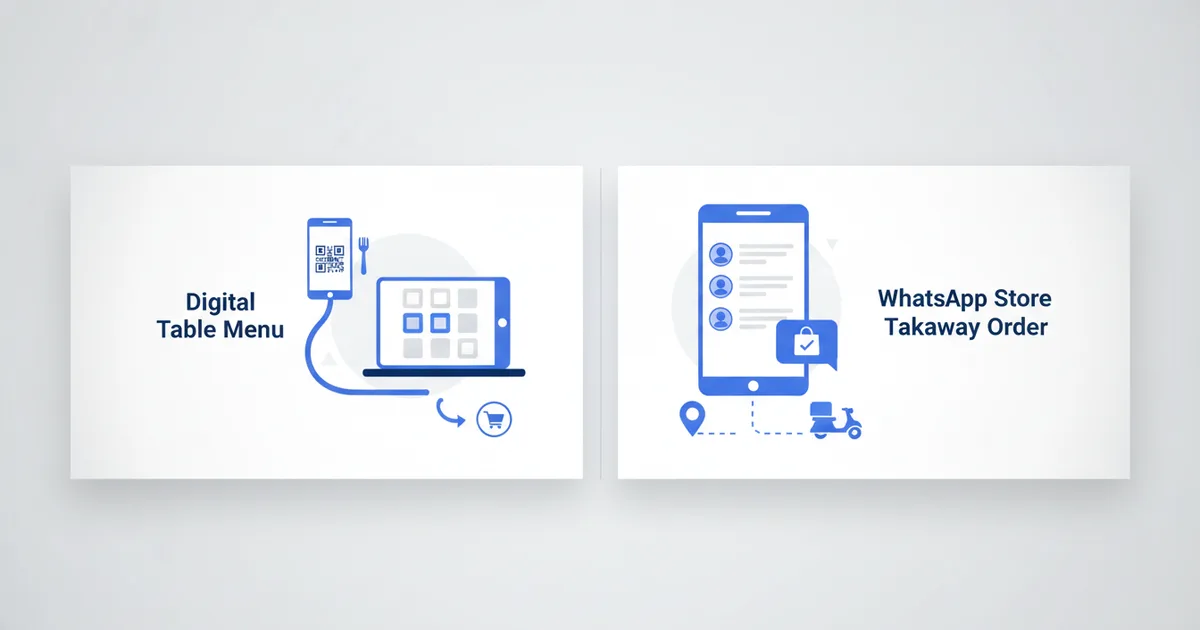
QR menus became standard during the pandemic and never reversed, and guest expectations kept moving: Oracle's Hospitality in 2025 study found 73% of travelers are more likely to stay at hotels offering self-service technology. The full playbook is in our hotel digital cards guide.
Key shift: a multilingual staff member no longer memorizes every service and price; the card carries it all.
4. Finance and Banking
Financial advisors switched when they saw that digital cards distribute compliance-approved information consistently: one profile, reviewed once, identical for every client.
Key shift: brand and compliance consistency across every advisor-client touchpoint.
5. Tech and Software
At events like GITEX, which drew 200,000+ visitors to Dubai in 2025, the NFC tap is the expected greeting. Paper at these events now marks a professional as behind the curve.
Key shift: the card itself became a competence signal.
6. Beauty and Wellness
Salons and spas found that a QR at reception drives rebooking at the exact moment of highest satisfaction: the client who just finished a treatment scans, books the next visit, and leaves. Many now end the visit with a save-to-wallet loyalty pass, so the salon can later push a seasonal offer to every client's lock screen with one Holder Broadcast, and a Nearby Offer nudges regulars when they pass by.
Key shift: the rebooking CTA moved to the moment of service completion.
7. Fitness and Sports
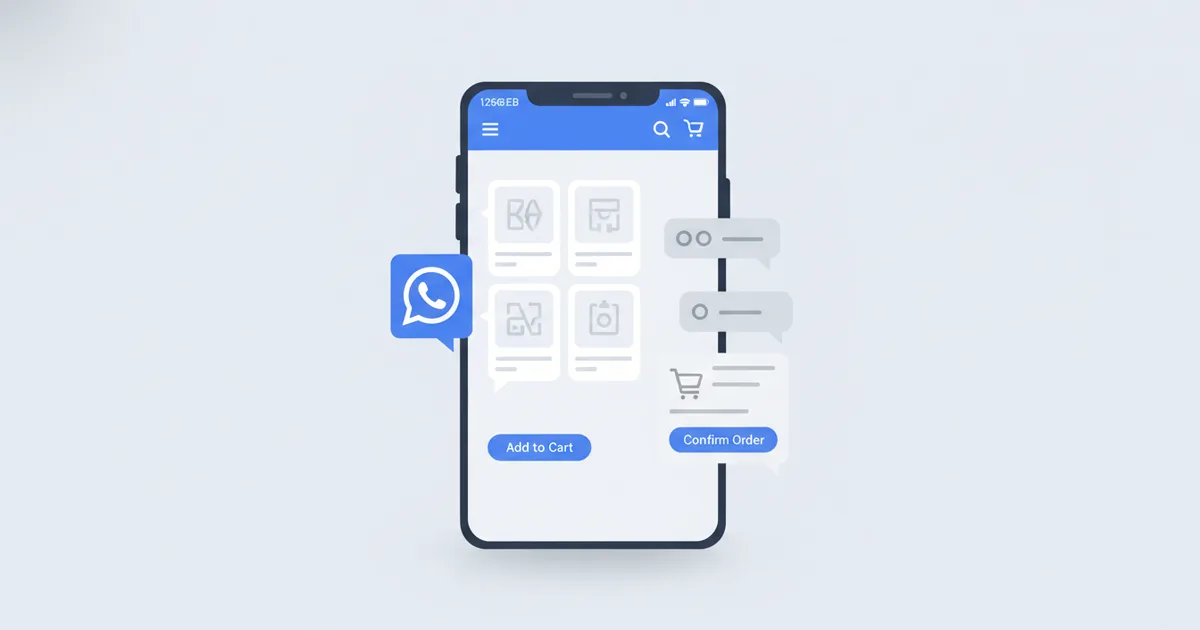
Trainers found that package sales through a card-linked WhatsApp flow feel natural to clients: browse packages, ask, agree, pay, all in one chat session instead of a multi-day email exchange.
Key shift: package discovery and purchase compressed into a same-day conversation.
8. Education and Training
Tutors and training centers found that parent networks share links the way they never shared paper: one satisfied parent forwards the tutor's card into a class WhatsApp group and fifty families receive it instantly. Details in our tutors and schools guide.
Key shift: referral velocity, because forwarding a link is frictionless.
9. Creative Industries
Photographers, designers, and architects switched because the card shows the work instead of describing it. A portfolio gallery inside a business card is something paper can never match.
Key shift: the card became the portfolio, removing the "check my website" step.
10. E-Commerce and Retail (SME)
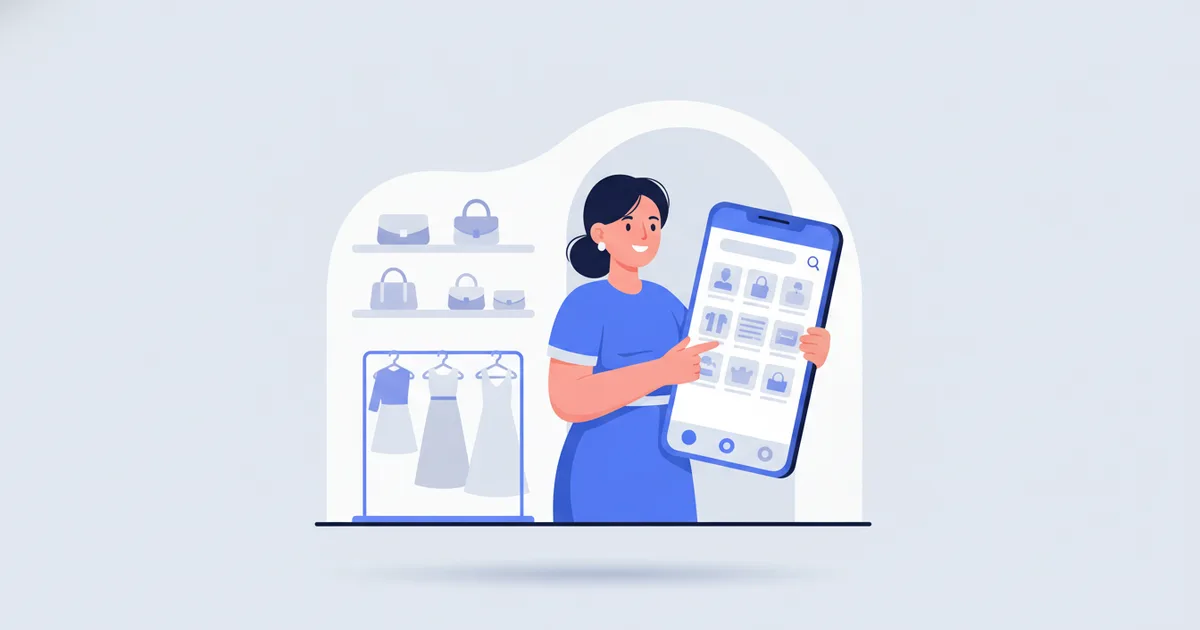
Small retailers and home businesses found that a card-fronted WhatsApp store gives them a direct sales channel without marketplace commissions or app development.
Key shift: a revenue channel that scales from 5 to 200+ orders a month without platform fees.
The Common Pattern
| Stage | Behavior |
|---|---|
| Adoption trigger | One specific pain point (booking, sharing, updating) |
| First 30 days | Awkward; paper still carried "just in case" |
| 60-90 days | Paper cards stop being ordered |
| 6 months | The team standardizes on digital |
| 12 months+ | Paper feels like a step backward |
Industries do not switch back to paper for the same reason nobody switches back to fax.
The industries that switched no longer debate going back. Their questions are: how do we get more of the team using it, and how do we use the analytics better?
FAQ
Which industries benefit most from digital business cards?
The ones whose information changes often (real estate, retail), whose revenue depends on bookings (healthcare, beauty, fitness, education), or whose work is visual (creative industries). If your paper card goes stale or your clients need to book you, the switch pays fastest.
What is the most common reason businesses switch?
A single recurring pain: reprinting after every change, missed after-hours bookings, or inventory that outdates the printed material. The switch usually starts with one pain point, not a digital strategy.
How long does industry-wide adoption take inside a company?
The typical arc is 60-90 days from first cards to the team dropping paper orders, and about six months to full standardization with shared branding.
Do digital cards replace a website for a small business?
For many SMEs, yes in practice: the card carries the portfolio, prices, WhatsApp ordering, and booking. A free plan covers the basics, with paid plans from $7.99/month.