WhatsApp Store for Boutiques in Egypt and Saudi

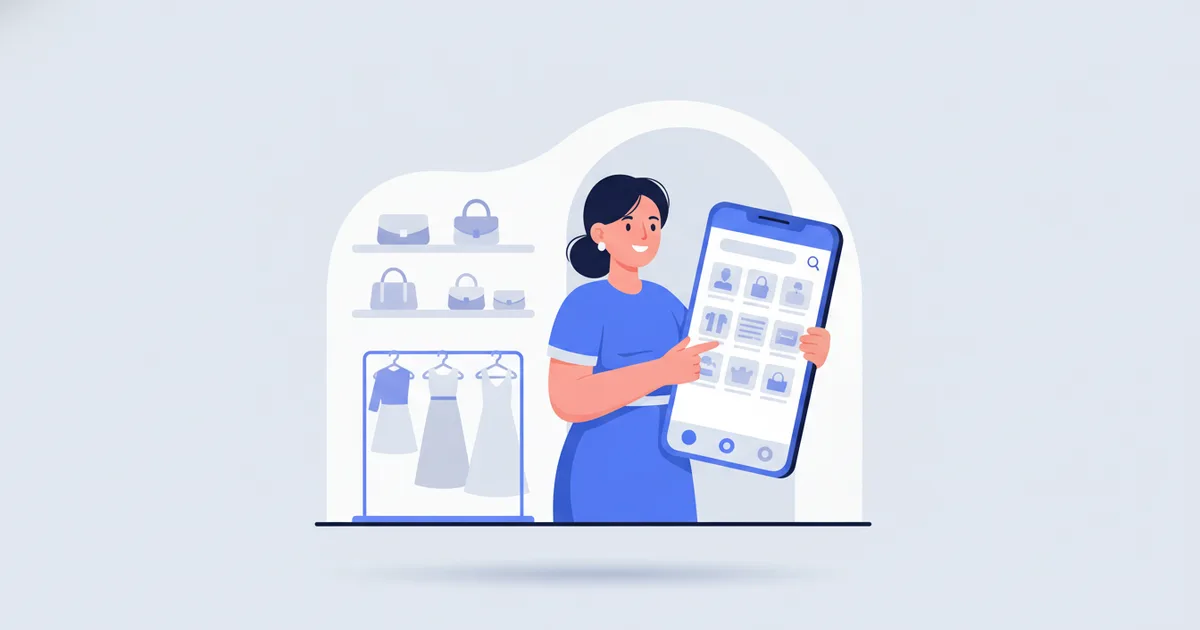
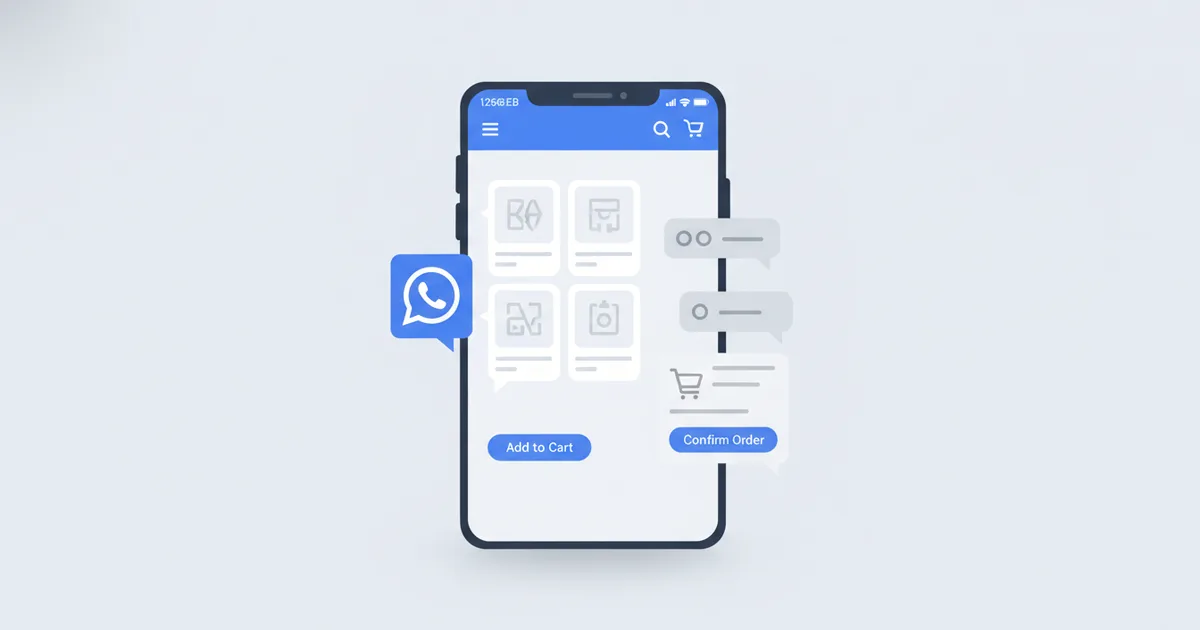
To sell clothes on WhatsApp in Egypt you need three things: a browsable catalog with prices, clear payment methods like Vodafone Cash or Fawry, and a WhatsApp number where orders arrive as formatted messages. No website required. A women's clothing boutique in Cairo's Maadi district has no website, no Shopify store, no Noon seller account. It has 4,000 WhatsApp contacts, a WhatsApp store catalog with 60 active items, and a waiting list for its biweekly stock updates. The owner processes 80-120 orders per month entirely through WhatsApp conversations.
This is not unusual. Thousands of small retailers across Egypt, Saudi Arabia, Jordan, and Kuwait have built sustainable businesses on conversational commerce, and the rails are already in place: around 72% of Egyptian internet users are on WhatsApp per Statista's January 2024 data.
Your customers do not need to learn a new app to buy from you. They already open WhatsApp thirty times a day.
The Payment Reality
The WhatsApp store does not process payments; it generates the order conversation, and payment happens through whatever method you and the customer agree. Digital payment adoption is no longer the obstacle it was: Egypt's Fawry alone processed 1.93 billion transactions in 2024, up 20% year on year.
Common methods in Egypt: Vodafone Cash, Fawry, InstaPay, bank transfer, cash on delivery
Common methods in KSA: STC Pay, Mada, bank transfer, cash
Common methods in Kuwait: KNET, bank transfer
Display your accepted payment methods clearly in your store profile. The clearer this is, the fewer "how do I pay?" questions you handle.
Why Large Platforms Don't Always Win
Amazon.ae, Noon, and Namshi have enormous advantages: logistics networks, return infrastructure, payment processing, and customer trust. But they have disadvantages that matter for small boutiques:
| Challenge with Major Platforms | How WhatsApp Store Differs |
|---|---|
| 15-30% commission per sale | Zero commission, Scaanme takes no cut |
| Strict listing requirements | Your products, your descriptions, your terms |
| Generic product pages | Personal relationship and negotiation |
| Returns complexity | Direct conversation resolves issues immediately |
| Discovery through search algorithm | Discovery through social sharing and word-of-mouth |
| Price competition | Premium positioning possible without racing to bottom |
What Drives Boutique Success on WhatsApp
Scarcity and Exclusivity
Small boutiques that post "only 3 left in this size" or "this design is not on any platform, exclusive to our store" create demand that algorithmic marketplaces cannot replicate. WhatsApp messages carry urgency in a way that product pages do not.
Personal Curation
A boutique in Riyadh that curates modest fashion specifically for professional Saudi women builds a following that returns not because of price but because of taste alignment. The catalog becomes a trusted editorial feed.
Community and Trust
WhatsApp groups (not just one-to-one) let boutique owners broadcast new arrivals, limited offers, and exclusive previews to their customer community. These groups in Egypt routinely have 200-500 active members who are genuinely engaged buyers.
Setting Up a Boutique WhatsApp Store
Product Photography
This is non-negotiable. Blurry, poorly lit product photos lose sales immediately. Minimum setup:
- Natural light or softbox
- Clean background (white or brand-appropriate color)
- Multiple angles for each item
- Scale reference where relevant (especially important for jewelry and accessories)
Catalog Organization
| Category Structure | Example (Women's Clothing) |
|---|---|
| By type | Abayas, Dresses, Tops, Accessories |
| By occasion | Workwear, Casual, Evening, Modest |
| By season | Summer Collection, Winter Arrivals |
| By price band | Under 100 SAR, 100-200 SAR, Premium |
Pick one structure and stay consistent. Customers learn to navigate your catalog.
Pricing Transparency
Show prices. Boutiques that require customers to ask for prices lose a significant percentage at the discovery stage, the friction of asking is higher than it seems, especially for new customers.
Inventory Management
Mark items as "out of stock" rather than removing them. Items that remain visible but marked unavailable generate waitlist conversations ("notify me when it's back") that are more valuable than the initial sale.
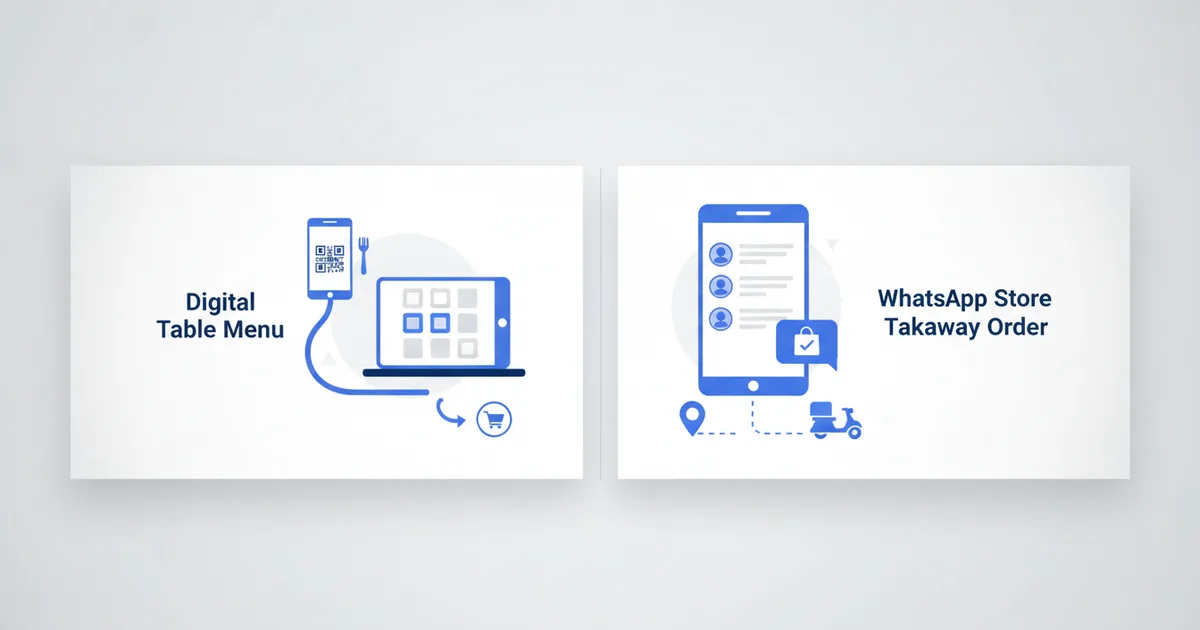
The storefront lives on your digital business card, so the same link carries your story, location, and hours alongside the catalog. Restaurants run the same two-lane model for dine-in and delivery.
Customer Retention: The Boutique's Superpower
Unlike platforms where customers belong to the marketplace, WhatsApp boutique customers belong to you. This means:
- You can broadcast new arrivals directly to buyers who want your products
- You build a reputation and relationship that compounds over time
- A satisfied customer in Cairo refers three friends without any incentive program
- Customer lifetime value is dramatically higher than platform customers
Digital loyalty makes that ownership stickier. Turn your boutique card into an Apple Wallet or Google Wallet pass that customers save to their phone, on iPhone and Android with no app either side. When a new collection drops or a limited offer opens, a Holder Broadcast pushes a lock-screen notification to every saved holder at once, and a Nearby Offer reminds a customer to visit when they come within about 100 meters of your shop. The pass auto-updates the moment you edit your card, so there is nothing to reprint or resend, and it replaces a stamp-card app entirely.
Boutique owners in Egypt and Saudi Arabia who started with 50 WhatsApp contacts and a basic catalog have, within 18-24 months, built lists of 2,000-5,000+ active buyers. The growth is organic, referral-driven, and more durable than paid advertising.
If you outgrow the catalog and need bulk outbound campaigns, that is when the WhatsApp Business API comparison becomes relevant. Until then, a free plan is available, with paid plans from $7.99/month on the pricing page.
FAQ
Do I need a website to sell on WhatsApp in Egypt?
No. The catalog link is the store: customers browse items with photos and prices, tap to order, and the order lands in your WhatsApp as a formatted message you answer from your phone.
Does ScaanMe take commission on WhatsApp store orders?
No. Zero commission on any order. You pay only the subscription, and a free plan is available with paid plans from $7.99/month.
How do customers pay for WhatsApp orders?
Whatever you both agree in the chat: Vodafone Cash, Fawry, InstaPay, or cash on delivery in Egypt; STC Pay, Mada, or transfer in Saudi Arabia. List your accepted methods on the store profile to cut repeated questions.
How do I get my first WhatsApp store customers?
Start with the contacts you already serve: put the catalog link in your Instagram bio and WhatsApp status, add the QR code at your counter and on packaging, and let broadcast lists announce new arrivals to buyers who opted in.