Scan Arabic business cards into phone contacts and CRM

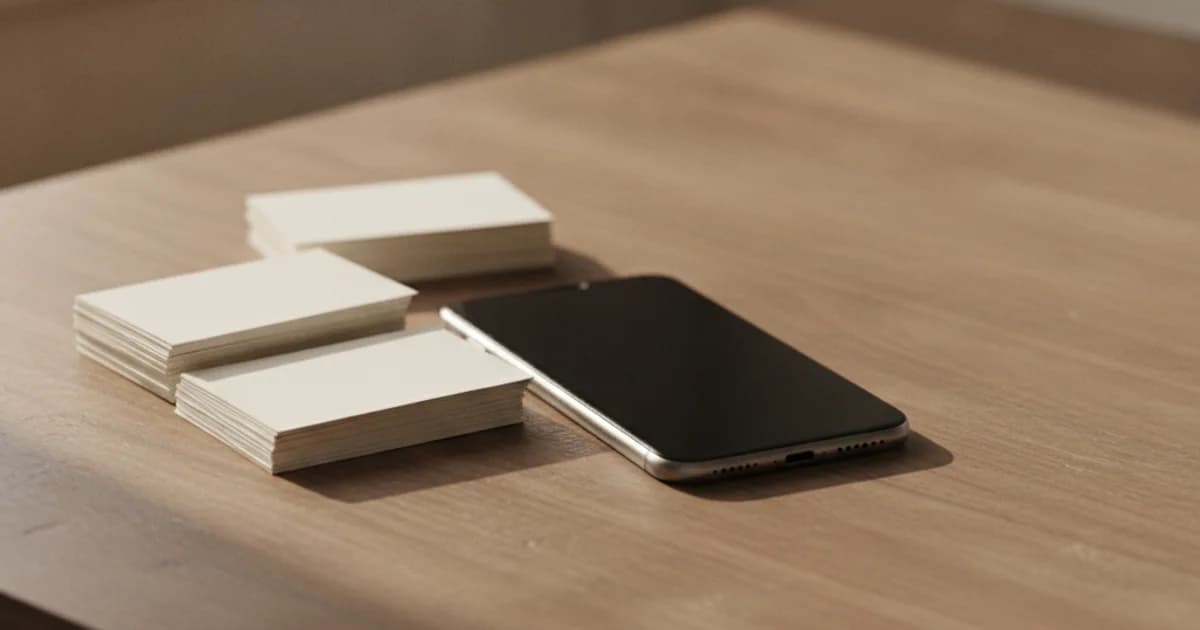
Scaanme's AI Contact Capture reads a photo of an Arabic or English business card and extracts its contact details. Review and correct the fields, then save a contact file to your phone, add the contact to Scaanme CRM if your plan includes it, or use both options.
Scan one card, review the result and choose where to save it. AI credits and CRM access are separate requirements, so check both before assigning the scanner to an exhibition team. A photographed card does not authorize automatic outreach to its owner.
At a glance
| Question | Answer |
|---|---|
| What it reads | Arabic, English and bilingual printed cards |
| Fields returned | Name, Company, Job title, Phone, Email, Website, Social links, Address |
| Editable before saving | Yes, all eight |
| Cost | 1 AI credit per card, charged on success only |
| Save to phone | Every plan, standard .vcf (vCard 3.0) |
| Add to CRM | Plans that include the CRM |
| Duplicate handling | Matched by email, then phone; existing contact updated |
| Card image retention | None, deleted after extraction |
| Input | Phone camera or uploaded JPG, PNG or WebP |
Review the extracted fields
Check that the employee's name and the company name appear in separate fields. Scaanme uses organization terms such as Co, LLC and شركة to help identify the company. When the card has no person's name, the Name field stays empty.
Decorative lettering, reflective print and lines through phone numbers can cause reading errors. All eight extracted fields are editable, and Scaanme waits for your save action. Compare the result with the printed card while you still have it in front of you.
When saving to CRM, Scaanme checks for an existing contact by email first, then phone, and updates a matching record. Check that match before adding follow-up notes, especially when people share a company number.
Read Arabic-Indic phone digits such as ٠٧٩٠ against the original card. Keep the country code, check every digit and confirm that the saved contact uses the intended number.
Scan and save a card
Open Scan a card in the Scaanme dashboard sidebar. The page is a single card with your AI credit balance in the corner.
1. Photograph the card, or upload an image. "Take a photo" opens the rear camera straight away, which is the fast path when the card is in your hand. "Upload image" opens your file picker for photos already in your camera roll. JPG, PNG and WebP are accepted, one card per image.
2. Wait a few seconds. The uploader is replaced by a reading state. There is no submit button; choosing the image starts the read.
3. Review eight fields. Name, Company, Job title, Phone, Email, Website, Social links and Address come back filled and editable. Phone, email and social links hold multiple values, so a card printed with a mobile and a landline gives you both, and printed handles are expanded into full profile URLs. Arabic values stay in Arabic and the address renders right to left.
4. Choose where it goes. Save to phone, add to CRM, or both, then scan the next card.
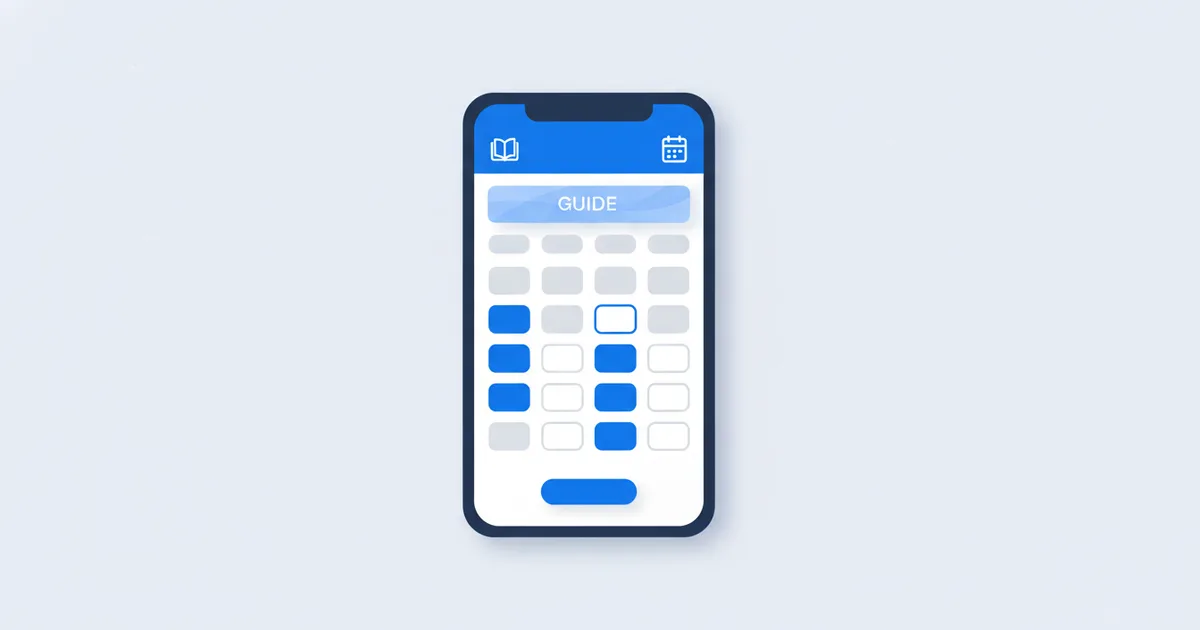
The Academy guide has screenshots of the process: scan a paper card into your phone and CRM.
Check Arabic text after import
Read the extracted name and company separately. Check telephone numbers against the printed card, including the country code, and open a social link before using it in a follow-up. Review decorative lettering carefully: a plausible extraction can still contain the wrong character.
Scaanme exports a vCard 3.0 contact file. Contact formats have encoding and line-folding rules, described in the directory information standard. The practical test is to import a sample onto the phones your team uses and confirm that the name, address and multiple numbers remain readable.
Apple describes supported contact import steps in its Contacts import guide. Follow the relevant device's save process and reopen the saved contact; a preview alone does not prove that it reached the address book. Do not assume every version of every contact application handles an import identically.
Where the contact goes
The Save to phone action creates a standard .vcf file, which opens in your phone's contact interface. It is available on every plan. Any social links read off the card travel into the file too, so the Instagram or LinkedIn profile ends up on the phone contact next to the website. This works on the free plan as long as you have AI credits.
On iPhone, Safari displays a vCard preview. The Done button at the top closes the preview without saving the contact. You have to scroll down and tap Create New Contact. Scaanme displays this saving instruction when it detects an iPhone.
Saving to CRM requires a plan that includes it and a contact with at least a phone number or email address. The record has First touch set to Scan, which distinguishes it from website enquiries in source reports.
A "Scanned card" entry is written to the activity timeline carrying the company and job title, with the full field set preserved on that entry. From there the contact behaves like any other lead in the Scaanme CRM: WhatsApp, email and call buttons, a lead score that builds as the person engages, deals, tasks, and the AI insight panel that drafts a first message.
On plans without the CRM, the Add to CRM button is visible but locked. The scan and the phone save still work.
What it costs
One AI credit per card, and the credit is charged only when the read returns something usable. If a photo comes back with no name, no phone and no email, you are asked to retake it and your balance is untouched. Credits come from your plan or from a booster pack; accounts on an unlimited allowance are not metered. The AI Credits guide covers the balance in detail.
What happens to the photo
The card image is deleted as soon as the text has been extracted, whether the read succeeded or failed. Scaanme keeps no library of the cards you scanned, and no image is attached to the CRM record.
You cannot reopen the original photo in Scaanme later to check a digit. Correct the fields on the review screen while the card is still in your hand.
Current scanning limits
Upload one image with one card at a time. Use Scan another to return to the uploader for the next card.
The scanner does not merge the front and back of a card. If Arabic and English details are on opposite sides, review both sides yourself and combine the details before saving.
Scanning does not send a message to the contact. Choose any follow-up yourself, using the request or permission the person gave you. The scanned image is not retained in the account.
Before scanning an exhibition's cards
Use a card you control for the first test. Save it to the intended destination and check the resulting contact, then agree who reviews the rest of the cards and owns each follow-up. The event lead guide covers the surrounding workflow.
If you need an account, register here and check the current plans. Scanning a contact you received is different from building your own public profile with the digital card builder.
FAQ
Can it read Arabic and English on one card? The scanner supports Arabic, English and bilingual cards. Review the extracted fields before saving, especially names and numbers printed in decorative fonts.
Does scanning send a message to the contact? No. You decide whether and how to follow up. Keep any permission or requested next step with the contact record.
Is saving to a phone the same as saving to CRM? No. The phone action creates a contact file for import; CRM saving requires the appropriate account access and plan. Check the destination after each action.
Can I process both sides as one scan? The current workflow handles one image at a time. Review information from the other side yourself and avoid creating a duplicate contact for the same person.