How to Sell on WhatsApp in Syria (2026 Guide)

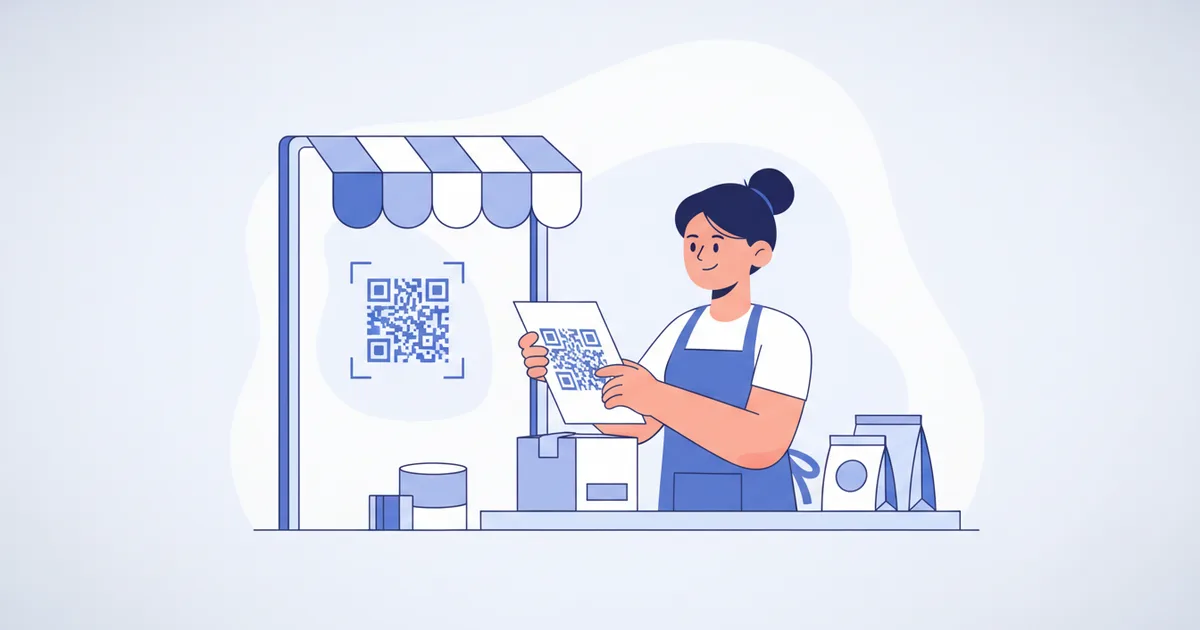
If you plan to sell on WhatsApp in Syria, you are not adopting a new channel, you are organizing the one Syrian commerce already runs on. Clothing shops in Damascus, soap makers in Aleppo, home kitchens in Homs, and coastal traders in Latakia take orders the same way: the customer sees a product photo, opens a chat, and asks for the price. A WhatsApp store is a browsable product catalog whose checkout is a WhatsApp message: the customer picks items and quantities, taps order, and the complete order arrives in your WhatsApp chat. This guide covers what is specific to Syria: pricing through currency swings, getting paid without reliable card rails, and serving diaspora buyers who order for family back home.
The numbers explain why the chat is the storefront. Syria counted 9.01 million internet users at the start of 2025, about 35.8% of the population, according to DataReportal's Digital 2025: Syria report, and WhatsApp is the messenger those users already live in. Globally, more than 200 million businesses use the WhatsApp Business app every month, a milestone Meta confirmed in mid 2023. In Syria, the catalog is the storefront and the chat is the checkout.
Why WhatsApp carries Syrian commerce
Online card checkout barely exists in day-to-day Syrian retail, and bank transfers are limited, so sales happen where trust already lives: in the chat. WhatsApp selling needs no website, no hosting, and no payment gateway, which is exactly why it fits. The weakness is structure: a busy seller answers the same three questions all day (price, sizes, delivery) and forwards the same photo albums. A catalog link fixes the structure while keeping the close in the chat. That is the job of a WhatsApp store: customers browse first, then message you a complete order instead of a question. New to the model? The what is a WhatsApp store explainer covers the basics.
Pricing through a moving pound
Syrian pound volatility created a habit every buyer understands: quote in US dollars, settle in Syrian pounds at the day's rate. Other sellers price in pounds and reprice often. Both work if you are explicit:
- State the currency on every product, not only in your bio.
- If you settle in pounds, name the reference: the day's market rate, confirmed at order time, is the common formula.
- When prices move, edit the catalog once instead of recalling fifty forwarded price lists.
Payments in Syria: what actually works
Payment is arranged in the chat, and cash on delivery dominates. With bank transfers limited, sellers rely on cash, exchange offices, and locally common mobile wallets:
| Order type | How payment usually happens | What to confirm in chat |
|---|---|---|
| Same city (Damascus, Aleppo, Homs, Latakia) | Cash on delivery | Address, delivery fee, settlement rate in pounds |
| Between cities | Exchange-office transfer, then ship | Transfer receipt before dispatch |
| Diaspora order for family in Syria | Remittance through a channel you name | USD price, delivery recipient, proof photo |
| Custom or made-to-order items | Deposit first, balance on delivery | Deposit amount and terms |
One honest note: Scaanme does not process payments. The store collects the order; payment stays in the channels you and your customer already trust.
Paying for Scaanme itself follows the same local logic. From inside Syria you do not need a card: message the Syrian support line on WhatsApp at +963 944 486 570 and settle by ShamCash transfer, and the team takes the subscription from there. The pricing page also displays every plan in Syrian pounds.
The diaspora order is your best order
Syrians abroad constantly buy for family inside Syria: a cake delivered in Damascus, winter clothes for parents in Aleppo, a grocery box in Homs. They browse late at night, want dollar prices, and cannot inspect the goods, so they buy from the seller who looks organized. Two habits win their repeat business: agree the payment channel before dispatch, and send a photo of the delivered order in the chat. That photo is your receipt, your review, and your next referral. To keep those repeat buyers close, turn your card into an Apple Wallet or Google Wallet pass they save with no app: when you add a new seasonal box, a lock-screen Holder Broadcast reaches every saved customer at once, so loyalty runs without a points card. The same remittance-driven playbook powers selling next door; our guide to selling on WhatsApp in Lebanon covers the OMT and Whish transfer angle diaspora buyers there rely on.
A worked example
A home kitchen in Damascus sells maamoul and barazek boxes. The one-kilogram box is quoted at 8 US dollars; local buyers pay cash on delivery in pounds at the day's rate. A regular customer's son in Kuwait opens the store link on Friday night, orders two boxes for the family home in Mazzeh, and sends the transfer through the exchange office the seller names. The courier delivers Saturday afternoon, the seller posts the delivery photo, and the whole transaction took six messages.
Set up WhatsApp selling in Syria, step by step
- Use the free WhatsApp Business app with a dedicated number so orders never drown in family chats.
- Write the pricing policy once: quotation currency, settlement rule, and deposit terms for custom work. Pin it in your catalog description and WhatsApp status.
- Define delivery honestly: which districts get same-day cash on delivery, which cities need an exchange transfer before shipping, and the fee for each.
- List only payment channels you have tested end to end: cash on delivery, exchange-office transfer, and any locally common wallet you actually use.
- Photograph products in daylight on a plain background. Use simple names and add sizes or options so orders arrive complete.
- Build the storefront with the Scaanme WhatsApp store builder. You get a browsable Arabic-English catalog with full RTL rendering; customers pick items and quantities, and every order arrives as a WhatsApp message. There is no payment gateway to configure and Scaanme takes zero commission on sales. You can list products free on your digital card with a WhatsApp button, and the full WhatsApp Store, a browsable catalog with categories and structured orders, is a Store plan from 9.99 dollars per month. Put the link in your WhatsApp status, Facebook page, and Instagram bio.
FAQ
Can I sell on WhatsApp in Syria? Yes. WhatsApp is the main ordering channel for small businesses in Syria. You publish a catalog, customers send orders in the chat, and payment is settled by cash on delivery, exchange-office transfer, or a locally common wallet. A Scaanme WhatsApp store provides the browsable catalog and routes every order to your WhatsApp with zero commission.
Do I need a website or payment gateway to start? No. The storefront is a link and the checkout is a chat message. You arrange payment the way Syrian buyers already pay, and Scaanme never touches the money.
How should I price products when the pound moves? Quote in US dollars and settle in pounds at the day's rate confirmed at order time, or price in pounds and update the catalog whenever the market shifts.
Can Syrians abroad order for family inside Syria? Yes. Diaspora buyers browse the same store link, pay through the exchange channel you agree on, and you deliver locally and confirm with a photo in the chat.
How much does a WhatsApp store cost in Syria? You can list products free on your card with a WhatsApp button. The full WhatsApp Store, a browsable catalog with categories and structured orders, is a Store plan from $9.99/month, with the Starter plan including one store and 10 products. Compare the plan limits on the pricing page and upgrade only when the order volume justifies it.